Lift on gliders are due to the shape of their wings. Wings are in the shape of a foil to help the pressure from the air be greater underneath the wing then it is on top. There are a lot of pactors that come to play when flying a glider: the size of the wings, airspeed, air density, and wings angle of attack. This information is according to http://adamone.rchomepage.com/index2.htm
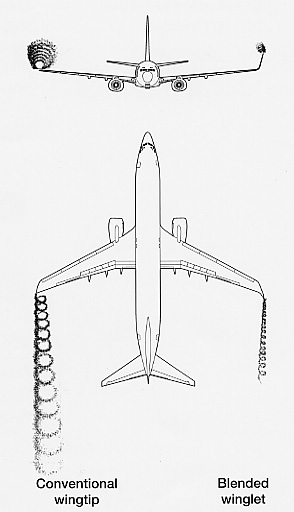
Winglet Technology: According to http://www.nasa.gov/centers/dryden/about/Organizations/Technology/Facts/TF-2004-15-DFRC.html winglets were originally created to increase fuel efficiency by decreasing the amount of drag on the tip of airplanes. These reduce drag by forcing air to go straight over the wing and not leak out over the tip pushing the wing down. Unequal pressure is created when air goes over a wing; there this less pressure flowing under the wing then there is flowing over top of the wing. This cause air on the lower surface to flow outward and inward on the upper surface causing wingtip vortex. With the winglets, the wingtip vortex is less which creates less drag.
 |  |
Vocabulary
Stall: Abrut reduction in lift
Airfoil: Wings of a plane
Fuselage: Body of a plane
Lift: The force that pushes objects upward
Drag: Resistance that slows an object down in the air
